In any big building, factory, or power plant, electricity is the lifeblood. It runs the machines, lights up the workspace, and powers the computers. This electricity travels through miles of wires and cables. However, these wires are delicate. If they are left exposed, they can easily get cut, wet, or damaged by heavy equipment.
To keep these wires safe, engineers put them inside tough protective tubes called conduits. Think of a conduit as a “helmet” or a shield for electrical cables.
One of the most popular choices for modern industrial projects is the HDPE Flexible Conduit. HDPE stands for High-Density Polyethylene. It is a very strong, durable plastic that can bend without breaking. This article explains what these conduits are and why they are the perfect choice for heavy-duty industrial work.
What is HDPE Flexible Conduits?
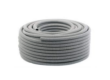
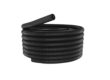
An HDPE Flexible Conduit is a protective pipe made from a special type of strong plastic. It is designed to hold electrical wires, fiber optic cables, and telecommunication lines.
Unlike metal pipes that are hard, heavy, and straight, HDPE conduits are flexible. They usually come in long coils (rolls).
What is their main job?
Their main purpose is to create a safe tunnel for wires. They protect the cables from:
- Physical damage: Like rocks, soil pressure, or vehicles driving over them.
- Environmental damage: Like water, mud, chemicals, and sunlight.

Why Industrial Projects Need Strong Conduit Solutions
Industrial sites—like chemical factories, mines, and power stations—are very tough environments. They are not like a quiet office or a home.
If you use a weak pipe in these places, it will crack or rust. Once the conduit breaks, the wire inside gets damaged, leading to power failures. This is why industries need a conduit that is tough enough to survive these difficult conditions.
Key Reasons HDPE Flexible Conduits Are Ideal for Industrial Use
Here are the specific reasons why engineers and project managers prefer HDPE conduits for their biggest jobs.
Common Industrial Applications of HDPE Flexible Conduits
Where are these conduits used? You will find them in many important places


Comparison Table: HDPE Flexible vs. Rigid Metal Conduits
Here is a simple table to show why HDPE is often a better choice than traditional metal pipes.
| Feature | HDPE Flexible Conduit | Rigid Metal Conduit | Industrial Benefit |
| Flexibility | High (Can bend easily) | None (Rigid and stiff) | Easier to route around machines and corners. |
| Rust Proof | Yes (100% Rust-free) | No (Can rust over time) | Lasts longer in wet or chemical areas. |
| Installation | Fast (Long continuous rolls) | Slow (Join short sticks) | Saves time and labor costs. |
| Joints | Few (Long lengths) | Many (Every 10-20 feet) | Fewer places for water to leak in. |
| Weight | Lightweight | Heavy | Easier for workers to carry and handle. |
Cost & Maintenance Advantages for Industries
Using HDPE conduits helps businesses save money in three main ways
Frequently Asked Questions (FAQs)
Can HDPE conduits be used underground?
Yes! They are excellent for underground use. They resist the crushing weight of the soil and do not rot in damp earth.
Is HDPE conduit fire resistant?
Standard HDPE can melt in a fire, but for industrial use, you can buy special “Flame Retardant” HDPE conduits. These are designed to stop fire from spreading.
How do you join two pieces together?
You use special plastic couplers. Some snap on tightly, while others use heat to melt the ends together, creating a permanent, watertight seal.
Can rats or mice chew through it?
HDPE is a very hard plastic, making it difficult for rodents to chew through compared to softer materials. However, in areas with severe rat problems, extra armored protection might be used.
Does it come in different sizes?
Yes. You can get small tubes (size of a finger) for internet cables, or huge pipes (big enough to put your arm inside) for thick power cables.
Can I use it for water pipes too?
While the material is similar, electrical conduits are made specifically for wires. You should buy HDPE pipes made for water if you want to carry water.
When building a factory or an industrial project, choosing the right materials is critical for safety and success. HDPE Flexible Conduits offer the best combination of strength, protection, and ease of use.
They protect valuable cables from the harsh realities of industrial work—heavy loads, chemicals, and bad weather—while being quick to install and cheap to maintain. For any engineer or project manager looking for a reliable, long-lasting solution to protect their electrical system, HDPE is the smart, modern choice.
If you are planning an industrial project and need durable, reliable HDPE flexible conduit solutions, Usha Plastiflex is here to help. We manufacture high-quality HDPE flexible conduits designed to meet demanding industrial requirements. Contact Usha Plastiflex today to discuss your project needs.